Maximalism, Kitsch and Jeff Koons

Maximalism Grant Wiggins
Hexagonal Banfield Forcefield by Grant Wiggins (1)

Maximalist Design is all about the ideology that more is more, in contrast to the widely used idea that less is more when done in the right way. One of the main features of this is reoccurring and diverse ranges of patterns as you can see demonstrated by this piece by Grant Wiggins. He uses lots of colours but in just the right way so its still pleasing to the eye. A big part of maximalism is going what most would concern as over the top and in this case, he fits that idea with his excessive use of patterns and contrasting colours.

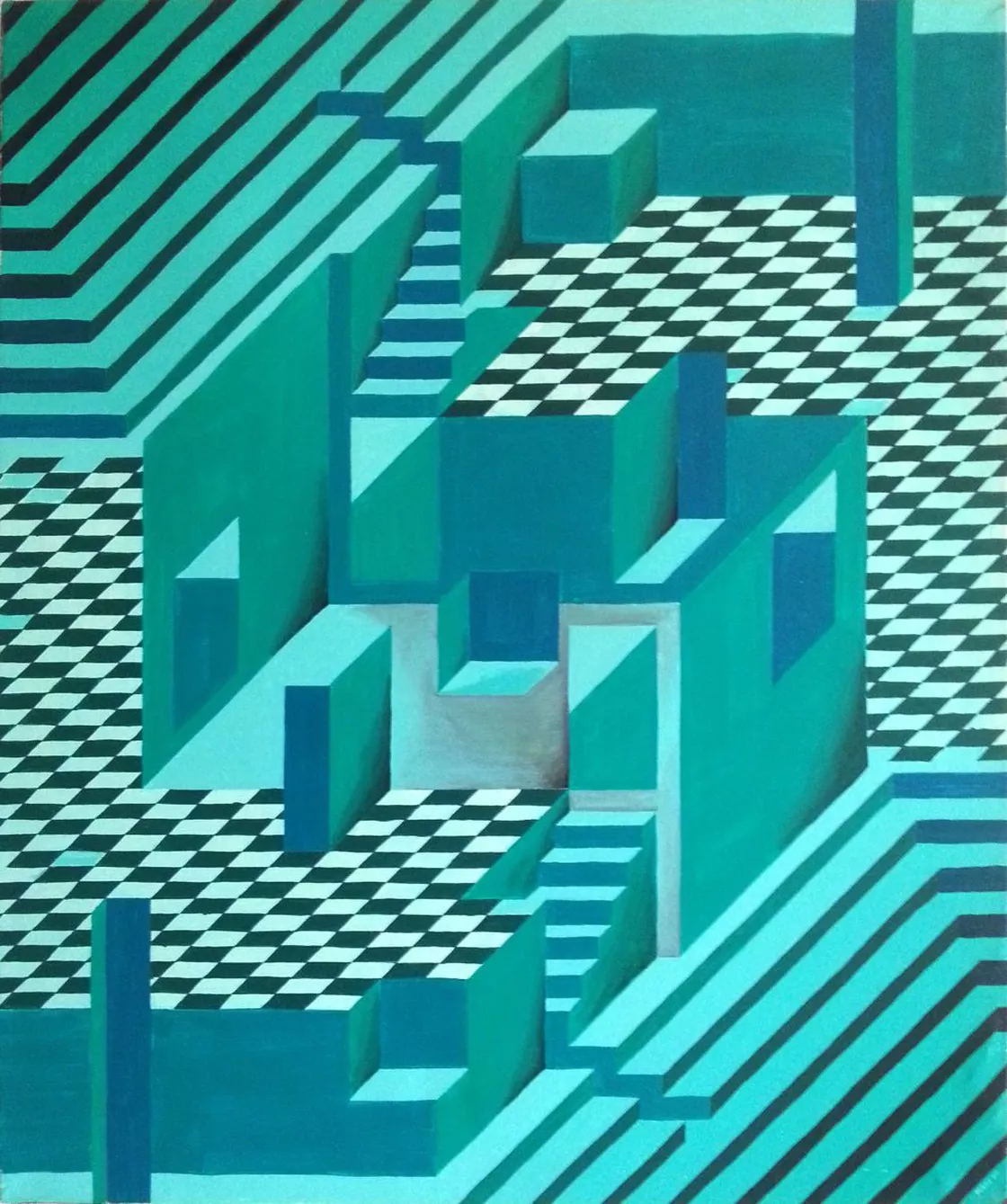
Green-stairs Peter Nagy
Green Stairs by Peter Nagy (3)

Moving Back to Maximalism this piece by Peter Nagy is an optical illusion, showing an impossible 3-dimensional space with stairs, and columns leading up to what seems like where you started. the use of patterns here continues as he uses them to represent the flooring, mixing in the occasional blue square in seemingly random places potentially to add to the confusion effect that I believe he is trying to provoke with this illusion piece. His use of colour is widely different from the first example of maximalism going with more consistent shades of blue theme as opposed to mixed-coloured patterns.

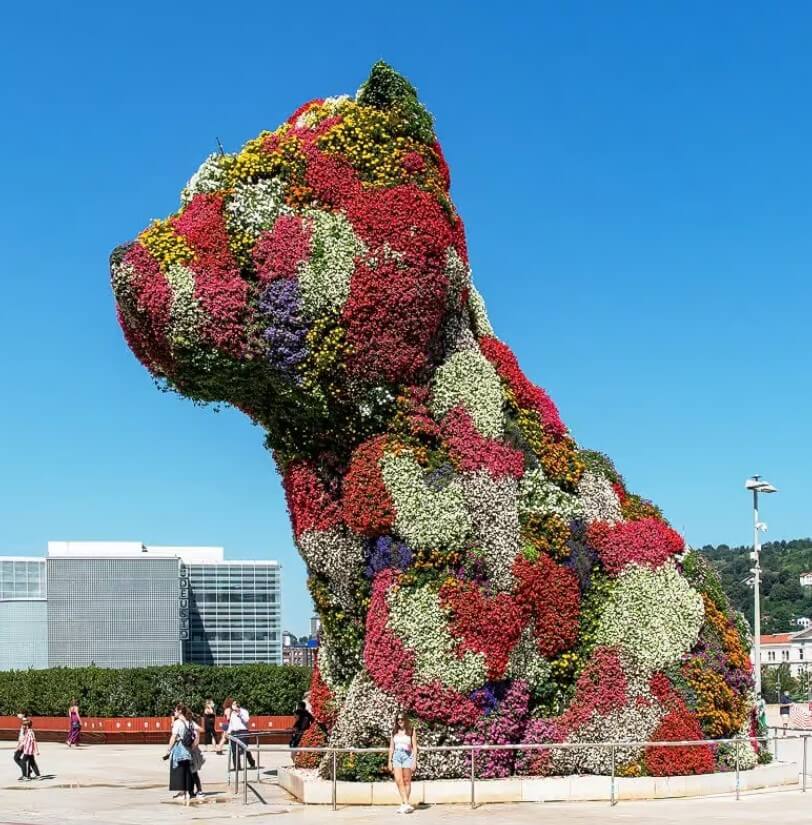
Puppy by Jeff Koons (2)

Moving on to Kitsch Design with Jeff Koons’s work, The term Kitsch Is used as almost an umbrella term for works that are considered excessive, and over the top, but to some it is considered as art without style or taste. From my research, it seems pretty difficult to define as everyone has a different interpretation of it. This piece by Jeff Koons is particularly out there matching my idea of Kitsch’s meaning over the top as this giant dog floral work is named quite contrastingly “Puppy” which brings up ideas of small dogs as opposed to the giant size on display here. He also uses lots of different flowers to go even more over the top with the colours, however, all that considered it still makes for a great piece of art.

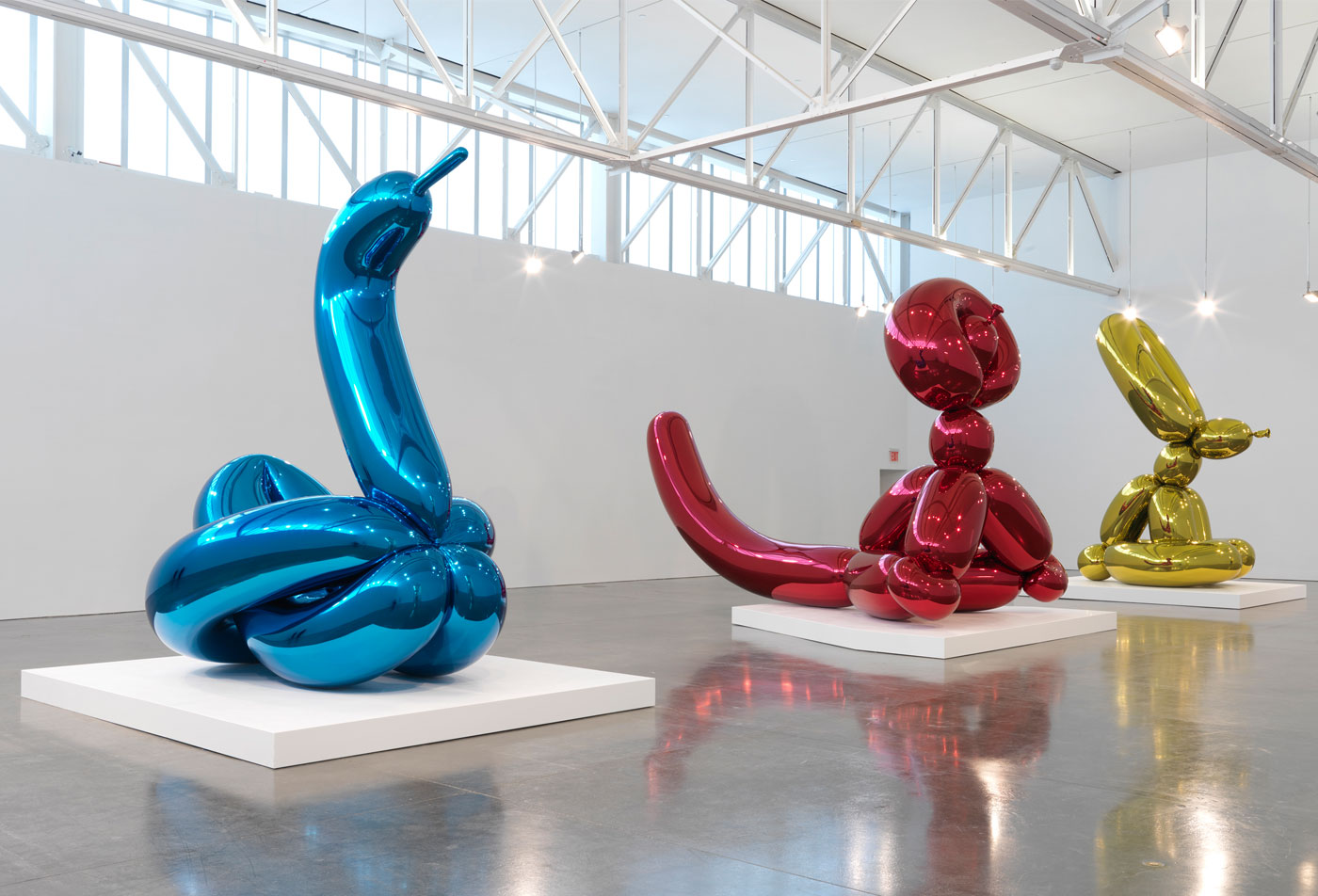
Balloon Swan, Balloon Monkey, Balloon Rabbit By Jeff Koons (4)

These sculptures by Jeff Koons also match the over the top Idea of Kitsch. Illustrating a balloon animal in such a large and solid way contrasts all ideas associated with balloon animals while still maintaining the idea and look you would expect from one. Arguably these statues are some of his more famous Artworks he has done Many different variations of balloon creatures in sculpture form, therefore, it could be said he is one of the few artists still considered Kitsch that break the idea of kitch art being synonymous with bad art.

My Reinterpretations

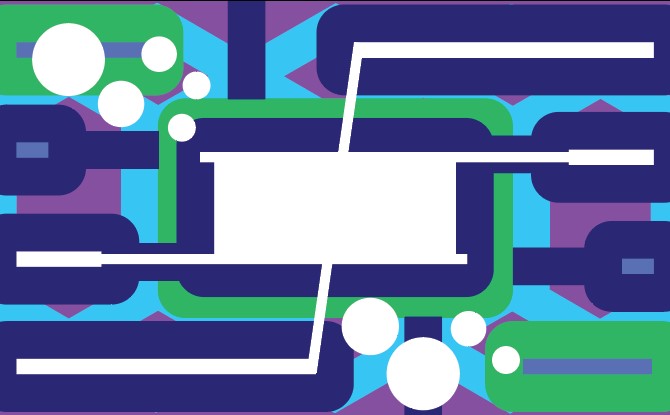
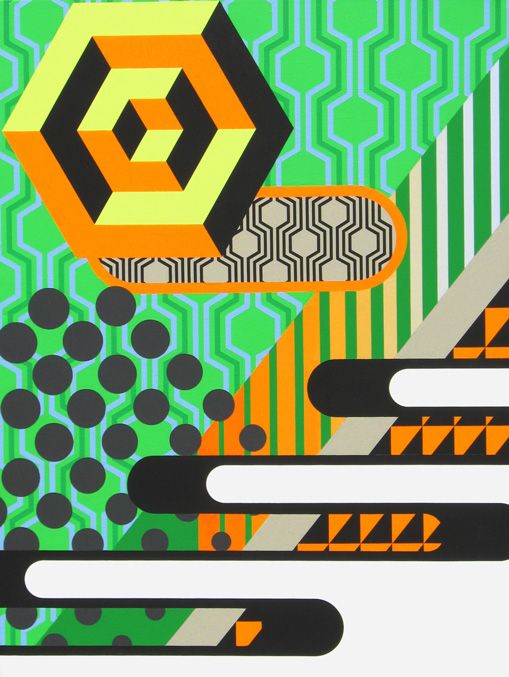
For this reinterpretation, I took some slight inspiration from Wires while still maintaining the random pattern nature of the original design. As to adhere to the rules of maximalist design every time I thought I was finished I asked what more could I add continuing to layer until it looked right to me.

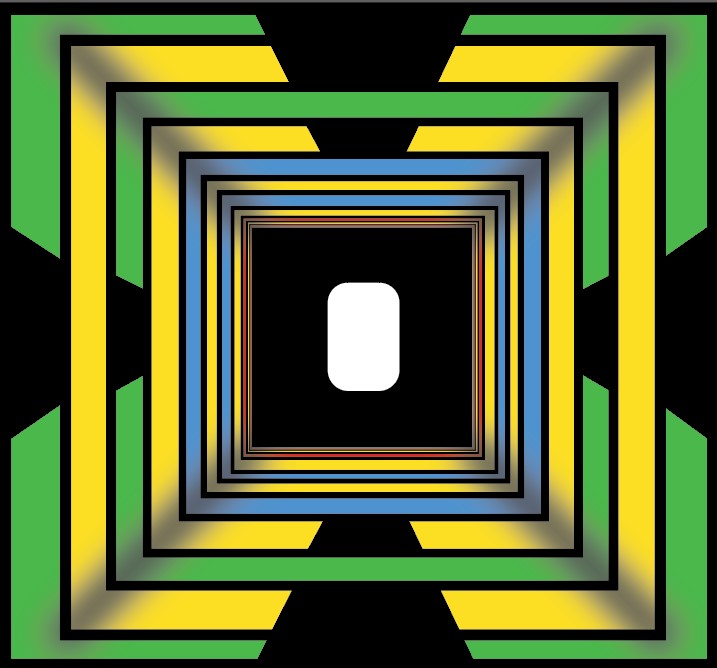
Inspired by the works of Peter Nagy I decided to create this optical illusion, that in theory should make you question if it’s a corridor or a pyramid from above creating an interesting effect for the viewer. I also wanted to continue on the more is more mentality so kept adding elements and colours to increase the complexity while still maintaining the base effect of the original piece.

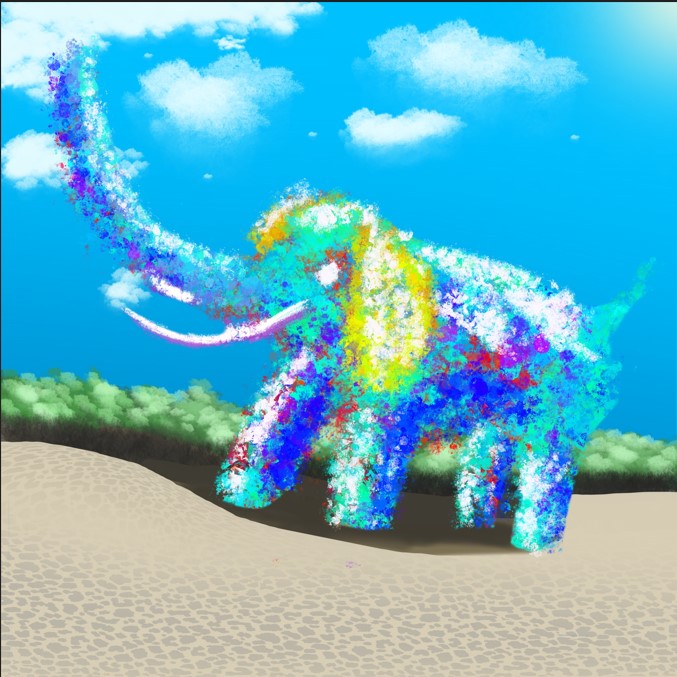
Moving on to Kitsch Design I wanted to reinterpret the original designs of Jeff Koons, putting my own spin on them since I can of course only work digitally in order to reflect his style of art. This particular piece is inspired by Jeff Koons’s “Puppy” but the large dog has been reinterpreted into a small elephant, I did this in order to keep the bold, subverting expectations idea behind the original concept. In order to create this effect I tried to introduce scale by scaling up the patterns on the ground.

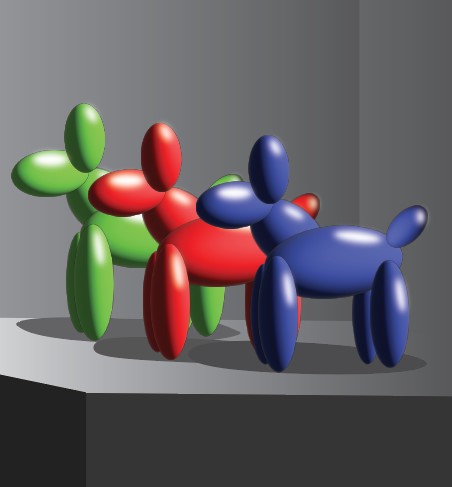
For the final design, I wanted to reflect one of Jeff Koons’s most famous artworks in the Kitsch design style. I wanted to have a similar effect to the original but with a different meaning, so decided to go for the colours red, green, blue in order to imitate the pixels on a screen creating the final image of a single balloon animal commenting on how we see everything through screens now. Which in my opinion is a very fitting, over-the-top way of portraying this idea making it perfect for the Kitsch style of art.

References

  1. Wiggins, G. (no date) Hexagonal Banfield Forcefield, wiggz.com. Available at: https://www.pinterest.co.uk/pin/358458451563163281/ (Accessed: 02 May 2023).

  2. Artincontext (2022) Kitsch art – a look at famous kitsch paintings and artworks, artincontext.org. Available at: https://artincontext.org/kitsch-art/ (Accessed: 20 May 2023).

  3. Nagy, P. (no date) Green Stairs, Artfinder. Available at: https://www.artfinder.com/product/green-stairs/ (Accessed: 05 May 2023).

  4. Koons, J. (2013) Balloon Swan, Balloon Monkey, Balloon Rabbit, Arnold. Tom Powel Imaging. Available at: https://www.arnold.de/en/art/references/jeff_koons (Accessed: 07 May 2023).